How to Evaluate a Western Saddle Supplier for Your Brand
B2B Sourcing Guide · Western Saddles
A practical supplier checklist for your brand
Use this guide to compare Western saddle suppliers, prepare a clear product brief, review samples and evaluate quotations for a wholesale or private-label range.
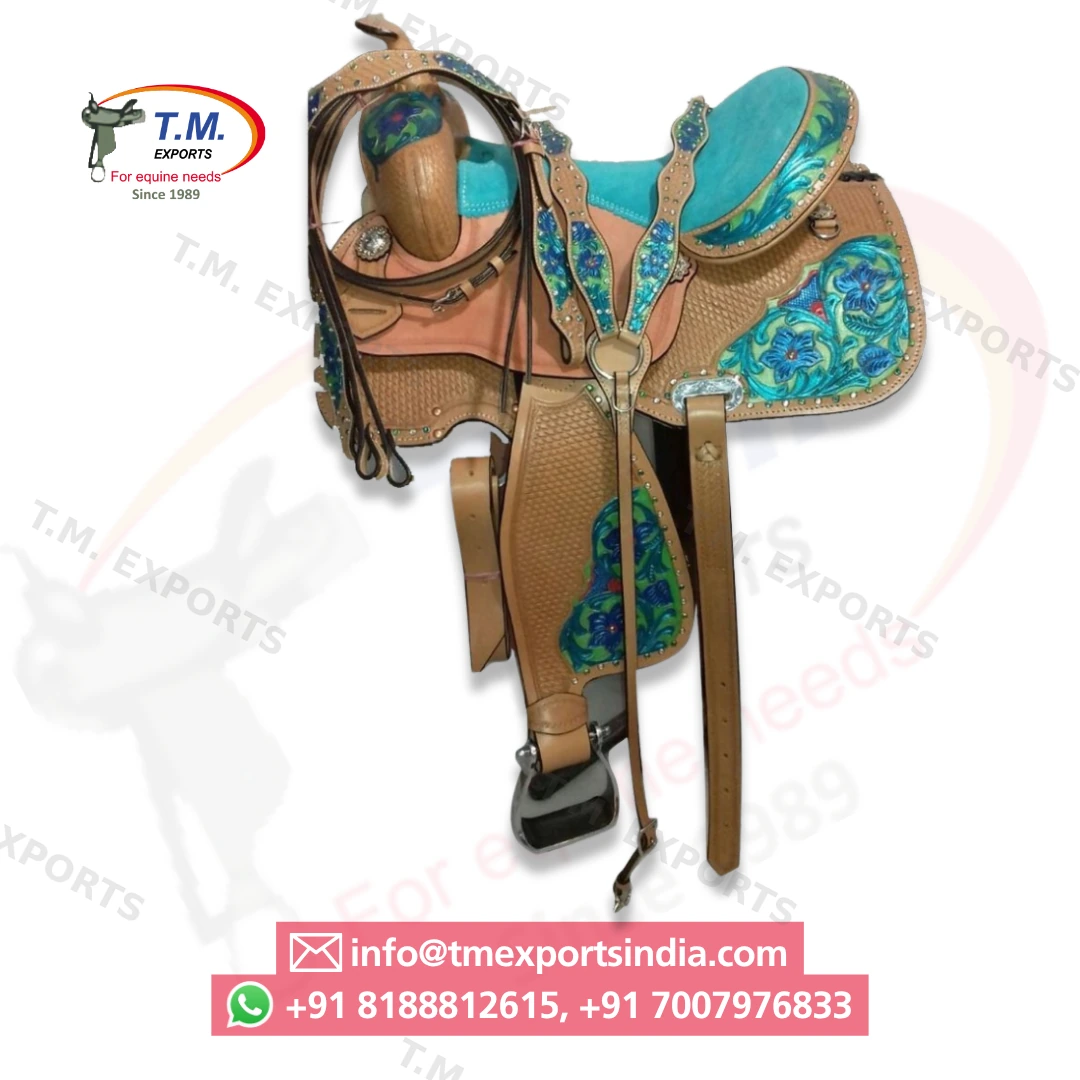
For a riding brand, tack retailer or importer, selecting a Western saddle supplier is a product and sourcing decision. The catalogue image is only the first step. A sound review looks at the intended rider and market, the exact product specification, how a sample will be assessed, and whether the supplier can clearly confirm the commercial details of the order.
1. Start with the product and buyer
Write down who will use the saddle and how it will be sold. Is it for a brand’s core range, a specialist Western retailer, a distributor catalogue, or a private-label programme? Define the riding use and the customer expectation before comparing suppliers. A “Western saddle” is a broad category; the product reference should be specific enough that two suppliers are quoting the same type of item.
For U.S. buyers, note the intended channel and customer. For other markets, include the destination country and the market’s product, labelling and packaging expectations. These details help prevent a quote from being based on an assumption that does not fit your sales plan.
2. Compare the complete specification
Ask each prospective supplier to confirm the product against a written brief. Depending on the design, the brief may cover:
- Product reference, overall design and intended use
- Seat dimensions and the sizing system used
- Tree, rigging and other construction details required for your design
- Skirt, fender, stirrup and fitting details
- Materials, colour, finish, hardware and decorative elements
- Brand marks, labels, care information and packaging
- Any inspection points or tolerances your business needs to specify
Do not rely on a product name alone. Ask the supplier to identify what is standard on the quoted reference and what would need to be agreed as a variation. If a detail matters to fit, function, durability, retail presentation or compliance in your destination market, put it in the brief.
3. Review a sample against agreed criteria
A sample is useful when it answers a defined question. Before requesting one, decide who will review it and what they will check: dimensions, construction, finish, hardware, branding or packaging. Record observations against the specification and send one consolidated list of changes. Keep the approved reference and written specification together so later production discussions refer to the same version.
Saddles are fit-critical equipment. Have the intended product reviewed by a suitably experienced saddler or equestrian professional for the use and market you have in mind. A supplier’s product description is not a substitute for an independent fit assessment.
4. Ask how product changes are controlled
For a wholesale range or an OEM programme, small undocumented changes can create inconsistency. Ask how the supplier will identify the approved sample, record revisions, and confirm changes to materials, components, dimensions or branding before they are made. Agree which changes require written approval. This is especially useful when the order includes more than one model, colour or size.
5. Clarify the commercial basis of the quote
Compare quotes only after confirming that they cover the same specification and order assumptions. Ask for the quoted product reference, quantity basis, sample charges if any, packaging assumptions, lead-time estimate, payment terms, shipment terms and quote validity. These items are examples of details to confirm; they are not interchangeable and should be stated by each supplier for the specific order.
If a supplier cannot confirm a detail yet, record it as open instead of treating it as included. A short written list of open items makes the next discussion more productive.
6. Evaluate communication and evidence
Look for clear answers that refer to your actual brief. Useful evidence includes a current product reference, photographs that correspond to the item being discussed, a written specification, and a transparent explanation of what still needs confirmation. Ask who will be your contact for technical questions, sample feedback and order updates. Avoid making a decision from broad claims that are not supported by information about the particular product and order.
A practical supplier comparison
| Review area | Question to resolve |
|---|---|
| Product match | Are all suppliers quoting the same reference and intended use? |
| Specification | Are important dimensions, materials, construction and finishes written down? |
| Sample review | Who will assess the sample, and what is the approval record? |
| Branding | Are marks, labels and packaging requirements confirmed? |
| Commercial terms | Are quantity, timing, shipment and payment assumptions clear? |
| Communication | Are open questions and product changes documented? |
What to include in your first enquiry
Send the product reference or a clear example, intended use, required specification, target quantity, branding or packaging needs, and destination country. If you are comparing a new design, include photographs, a drawing or a technical brief. State which points are firm requirements and which are open to discussion.
T.M. Exports India’s Western saddle manufacturer page introduces the Western range and buyer enquiry route. Buyers who need product-by-product browsing can open the Western saddle catalogue. For a specification-led or private-label discussion, see OEM and private-label manufacturing.
Frequently asked questions
What should a brand ask a Western saddle supplier first?
Start with the exact product reference, intended use, specification, sample process and the commercial assumptions behind the quote. Ask the supplier to distinguish confirmed details from items still under review.
Is a catalogue enough to choose a supplier?
A catalogue helps shortlist product types, but a buyer should verify the particular reference, specification, sample and order terms before making a purchasing decision.
Can a supplier make a saddle for a private label?
Private-label requirements should be discussed for the specific product and order. Confirm branding, labels, packaging, sample approval and any other requirements in writing before production.
How can buyers compare saddle quotes fairly?
Use the same product brief and commercial assumptions for each quotation. Mark any exclusions or unanswered questions so that the comparison does not treat different offers as equivalent.
Build your shortlist around clear answers
The strongest supplier review is based on a specific product, a usable written brief and a sample evaluation that fits the buyer’s needs. That process gives your team a clearer basis for comparing options and discussing a Western saddle programme with a potential manufacturing partner.
Share your reference, requirements, quantity under consideration and destination with the T.M. Exports India team.